











How Does an Electric Wagon Charging System Work?
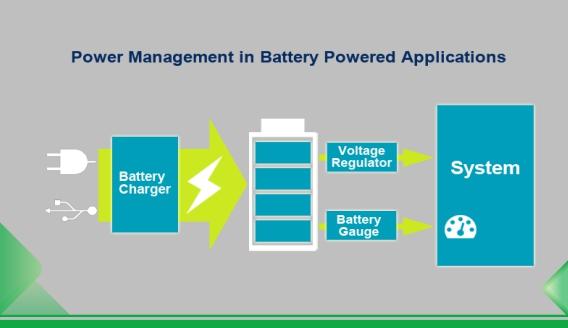
The charging system in a modern electric wagon is a well-engineered setup designed for reliability and safety. At its core are four main components: the battery pack, charger, Battery Management System (BMS), and motor controller. These work together to deliver consistent power while protecting the battery from damage. When you plug in the wagon, electricity flows from the power source through the charger, which converts and regulates the current before delivering it to the battery pack. The BMS monitors voltage, temperature, and charge levels in real time to prevent overcharging or overheating. Once charged, the battery powers the motor controller, which distributes energy efficiently to the drive wheels during operation.
Common Battery Types Used in Electric Wagons
Two primary battery technologies dominate the market: lead-acid and lithium-ion. Each has distinct characteristics that influence performance, cost, and daily usability in demanding outdoor environments.
Lead-Acid Batteries
Lead-acid batteries remain popular due to their low upfront cost and proven, mature technology. They are widely available and relatively simple to maintain. However, they tend to be heavier, which can slightly reduce overall payload efficiency, and they generally require longer charging times. They are still a solid choice for occasional users or budget-conscious small operations.
Lithium-Ion Batteries
Lithium-ion batteries represent the premium choice for most professional users. They offer faster charging, higher energy efficiency, significantly longer lifespan (often 3-5 times that of lead-acid), and much lighter weight. These advantages make them ideal for electric wagons for landscaping businesses and intensive daily use where downtime must be minimized.
| Feature | Lead-Acid | Lithium-Ion |
|---|---|---|
| Weight | Heavy | Light |
| Charging Time | Longer | Faster |
| Lifespan | Shorter | Longer |
| Maintenance | Higher | Lower |
Different Charging Methods for Electric Wagons
Choosing the right charging method for electric utility wagons can significantly impact operational efficiency, especially for commercial users.
Standard AC Charging
This is the most common and accessible method, using standard household or workshop outlets (typically 110-240V). It's perfect for homeowners, garden operators, and small farms. While not the fastest, it's reliable, inexpensive, and requires no special infrastructure. Most users simply plug in at the end of the workday and have a full charge by morning.
Fast Charging Systems
Some higher-end commercial electric wagons support fast charging technology. These systems can significantly reduce downtime, allowing crews to top up batteries during lunch breaks or between large jobs. They require more robust electrical infrastructure but deliver excellent productivity gains for busy landscaping teams.
Battery Swapping Systems
For large fleet operations, municipal contractors, or companies running multiple shifts, battery swapping offers near-instant "refueling." Operators simply exchange depleted batteries for fully charged spares, eliminating charging wait times entirely. Though the initial investment is higher, it maximizes equipment utilization.
| Charging Method | Charging Speed | Cost | Typical User |
|---|---|---|---|
| Standard AC | Moderate | Low | Homeowners & Small Farms |
| Fast Charging | Fast | Medium | Commercial Users |
| Battery Swap | Instant | High | Fleet Operations |
What Factors Affect Electric Wagon Charging Time?
Several practical factors influence how long an electric wagon takes to charge. Understanding them helps users plan better and maintain optimal performance.
Battery Capacity
Larger batteries naturally take longer to charge but provide extended runtime. Commercial models designed for all-day landscaping work often feature bigger packs that require strategic overnight charging.
Charger Output
Higher wattage chargers deliver power faster. Investing in a compatible high-output charger can shave hours off charging time for commercial electric wagon users.
Ambient Temperature
Extreme cold or heat can slow charging and reduce efficiency. Ideal charging occurs in moderate temperatures between 50-80°F (10-27°C).
Battery Condition and Age
As batteries age, charging efficiency gradually declines. Regular maintenance and proper usage help preserve performance over multiple seasons.
How Long Can an Electric Wagon Operate After Charging?
A fully charged electric wagon can typically operate between 3 and 10 hours, depending on payload, terrain conditions, battery size, and driving patterns. Light garden work might stretch runtime significantly, while heavy hauling on slopes in landscaping projects consumes power faster.
| Usage Type | Operating Time |
|---|---|
| Light Garden Work | 6–10 Hours |
| Landscaping Work | 4–8 Hours |
| Farm Operations | 4–6 Hours |
| Heavy Commercial Use | 3–5 Hours |
Best Charging Practices for Landscaping and Farm Operations
Professional users should adopt consistent habits to maximize battery health and equipment reliability, especially when operating an electric powered wagon.
Charge During Off-Hours
Overnight charging aligns perfectly with natural work cycles, ensuring wagons are fully powered at the start of each day without interrupting productivity.
Avoid Deep Battery Discharge
Regularly running batteries to complete depletion shortens their lifespan. Aim to recharge when levels drop to 20-30% remaining.
Store Batteries Properly
For seasonal storage, keep batteries at around 50% charge in cool, dry locations and perform periodic top-ups.
Maintain Charging Equipment
Regularly inspect cables, connectors, and chargers for wear to prevent safety issues or inefficient charging.
Daily Maintenance Checklist:
✓ Charge overnight when possible
✓ Keep battery terminals clean and dry
✓ Avoid extreme temperature exposur
✓ Follow manufacturer guidelines precisely
Is Fast Charging Worth It for Commercial Landscaping Businesses?
For contractors, municipalities, and property maintenance companies, fast charging can deliver strong returns by minimizing equipment idle time.
| Scenario | Standard Charging | Fast Charging |
|---|---|---|
| Homeowner | Recommended | Not Necessary |
| Small Landscaping Crew | Recommended | Optional |
| Large Contractor | Optional | Recommended |
| Municipal Fleet | Limited | Recommended |
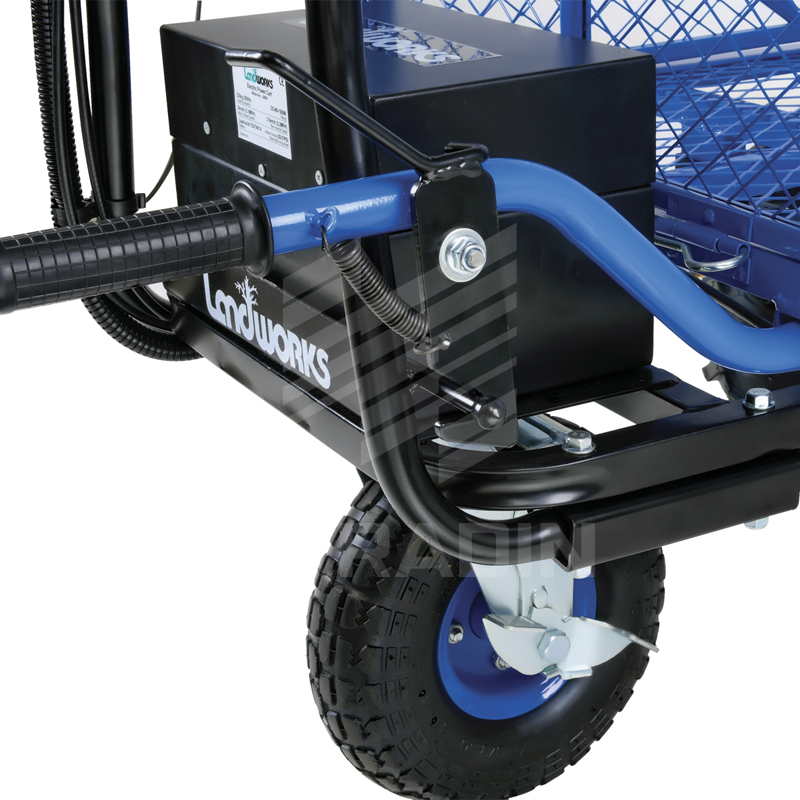
Electric Wagon Battery Maintenance Tips to Extend Service Life
Proper care can easily double or triple the effective service life of your wagon's battery. Focus on consistent charging cycles, appropriate storage procedures, regular cleaning of terminals, and seasonal inspections. These small habits protect your investment and ensure reliable performance throughout peak seasons.
Beyond Transportation: Why Debris Collection Equipment Is Equally Important
While electric wagons excel at material transport, complete outdoor maintenance also involves efficient debris management. Leaf collection, grass clipping cleanup, storm debris removal, and seasonal tasks require complementary tools to maintain workflow momentum.
Creating an Efficient Outdoor Maintenance Workflow
Professional service providers achieve peak efficiency by combining electric wagons with high-performance leaf vacuums. The wagon handles delivery and waste transport, while the vacuum manages rapid collection.
Typical Professional Workflow:
Material Delivery → Landscape Installation → Maintenance Work → Leaf Vacuum Collection → Transport and Disposal
Professional landscaping operations often combine electric transport equipment with leaf vacuum systems to improve productivity, reduce labor requirements, and streamline debris management.
Why Outdoor Equipment Buyers Choose Intradin
While electric wagons, including products such as the landworks utility cart, improve material transportation, professional landscaping and grounds maintenance operations also require efficient debris collection solutions. Intradin specializes in manufacturing commercial leaf vacuum equipment for landscaping contractors, municipalities, farms, orchards, retailers, and outdoor power equipment distributors worldwide.
Walk-Behind Leaf Vacuums
Best suited for gardens, residential communities, parks, and schools where maneuverability in tighter spaces is essential.
Tow-Behind Leaf Vacuums
Ideal for orchards, farms, ranches, and golf courses, offering high-volume collection when paired with tractors or utility vehicles.
Truck Loader Leaf Vacuums
Designed for municipal cleanup and commercial contractors needing maximum suction power and collection capacity.
| Product Category | Typical Applications |
|---|---|
| Walk-Behind | Gardens & Parks |
| Tow-Behind | Farms & Orchards |
| Truck Loader | Municipal & Commercial Cleanup |
OEM & ODM Manufacturing Services
Intradin supports OEM manufacturing, ODM product development, private label programs, custom design adjustments, and market-specific compliance. This helps retailers, importers, distributors, and outdoor equipment brands quickly launch or expand successful product lines.
Looking for a Reliable Leaf Vacuum Manufacturing Partner?
Whether you are a landscaping equipment distributor, outdoor power equipment retailer, municipality supplier, or commercial contractor, Intradin offers professional leaf vacuum solutions designed for demanding outdoor maintenance environments.
Walk-Behind Leaf Vacuums
Tow-Behind Leaf Vacuums
Truck Loader Leaf Vacuums
Frequently Asked Questions About Electric Wagon Charging
How long does it take to charge an electric wagon?
Typically 3 to 12 hours depending on battery size and charger type. Most users plan for overnight charging.
Can I leave an electric wagon charging overnight?
Yes, modern systems with BMS protection make overnight charging safe and recommended for full readiness.
Do lithium batteries charge faster than lead-acid batteries?
Yes, lithium-ion batteries generally charge significantly faster and more efficiently while offering longer overall lifespan.
How long does an electric wagon battery last?
With proper care, lithium batteries can last 4-7 years or 800+ cycles, while lead-acid typically last 1-3 years.
What affects electric wagon charging speed?
Battery capacity, charger power, temperature, and battery condition are the primary factors.
Can electric wagons be used for commercial landscaping operations?
Absolutely. Many commercial electric wagon models are specifically designed for daily professional use in landscaping, offering excellent durability and efficiency.