











Why 3-in-1 Equipment Is Becoming the Industry Standard
The landscaping and outdoor maintenance sectors have seen a clear evolution from single-purpose tools to integrated systems. Traditional workflows often required separate blowers, vacuums, rakes, and manual bagging, leading to frequent tool changes, higher equipment costs, and increased labor time. Modern 3-in-1 systems consolidate these functions, addressing key industry pressures head-on.Several factors are accelerating this adoption. Persistent labor shortages in landscaping make every operator's productivity critical. Rising fuel, disposal, and labor costs per job push contractors to seek tools that deliver measurable savings. Municipal contracts increasingly demand faster turnaround times and cleaner results, while the push for sustainable practices favors on-site mulching that reduces waste volume and supports composting programs.The mulching capability stands out as a game-changer, transforming bulky leaf piles into compact, nutrient-rich material that can be reused or disposed of more economically.
| Task | Traditional Tools | 3-in-1 System |
| Leaf blowing | Dedicated blower | Integrated blower mode |
| Collection | Raking + separate vacuum | Vacuum mode with direct suction |
| Waste handling | Manual bagging & transport | Mulching reduction for fewer trips |
This streamlined approach not only cuts job completion time but also reduces physical strain on crews, leading to fewer injuries and better retention in a competitive labor market.
What Is a 3-in-1 Blow, Vacuum, and Mulch System?
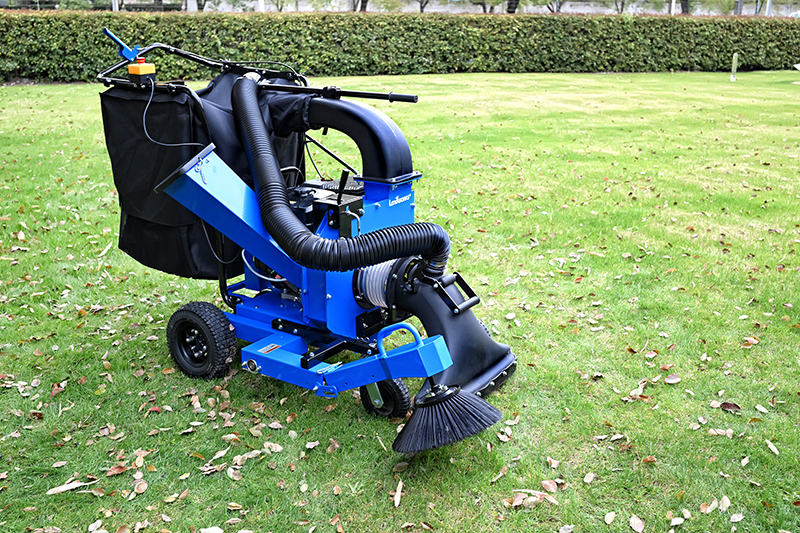
A 3-in-1 blow, vacuum, and mulch system is a versatile outdoor power equipment unit that combines three core functions in one robust platform. In blower mode, it generates powerful airflow to move leaves, grass clippings, and light debris into organized piles or windrows. Switching to vacuum mode engages strong suction through an intake nozzle to collect the material efficiently. The mulching function then activates sharp impellers or blades that shred the debris, significantly reducing its volume before it enters the collection bag or hopper.Technically, these systems rely on a high-speed impeller that creates both airflow for blowing and negative pressure for vacuuming. When mulching, the same impeller or dedicated blades chop the material, often achieving reduction ratios from 8:1 up to 18:1 or higher in commercial models. This process not only saves space in collection systems but also produces finer mulch that decomposes faster when applied back to landscapes.
For professional users, the mulching stage serves as a true "profit multiplier." Reduced waste volume means fewer truck loads to disposal sites, lower hauling costs, and the potential to create valuable compost or mulch products for resale or on-site use. Commercial-grade units feature reinforced components designed to handle extended duty cycles and mixed debris without frequent maintenance interruptions.
Consumer & Contractor Preferences Behind 3-in-1 Adoption
1. Time Efficiency
One of the strongest drivers for 3-in-1 systems is the ability to complete cleanup in fewer passes. Instead of blowing, then raking, then vacuuming with separate equipment, operators can blow material into position, switch modes, and vacuum while the mulcher processes everything on the fly. Industry reports and field tests often show 30-50% reductions in job cycle times, allowing crews to service more properties per day and meet tighter municipal deadlines.
2. Waste Volume Reduction
Mulching transforms bulky leaves into compact material, directly cutting transportation and disposal expenses. Contractors handling multiple residential or commercial sites appreciate making fewer dump runs, especially during peak autumn when landfills and composting facilities become congested. The resulting mulch can also be used immediately for erosion control or soil improvement, adding further value.
3. Labor Cost Optimization
With labor shortages affecting the industry, tools that enable fewer workers to accomplish more are highly prized. A single operator using a well-designed 3-in-1 system can handle tasks that previously required a team with multiple specialized tools. This boosts productivity per person and helps control overtime and crew size requirements during busy seasons.
4. Equipment ROI
Replacing two or three single-function machines with one versatile unit lowers capital expenditure and simplifies maintenance and storage. Faster payback periods come from reduced fuel consumption, lower parts inventories, and higher billable hours enabled by quicker job completion. Many contractors report recouping investment within a single peak season.
Performance Factors Buyers Evaluate Before Purchasing
Suction Power
High cubic feet per minute (CFM) ratings are critical for handling wet leaves, pine needles, and mixed debris common in professional settings. Commercial buyers look for systems delivering 500-900+ CFM to maintain strong performance across varied surfaces and conditions without losing suction as collection bags fill.
Mulch Ratio
While residential models may achieve 10:1 to 12:1 ratios, professional landscapers prefer 16:1 or higher for meaningful volume reduction. Superior mulching not only saves on disposal but produces consistently fine material suitable for immediate landscape application.
Debris Handling Capability
Effective systems must manage more than dry leaves, including twigs, pine needles, acorns, and light litter. Robust impeller designs and adjustable intakes allow professionals to tackle real-world mixed debris without constant clogging or downtime.
Durability & Duty Cycle
Equipment must support 3–4 days per week of heavy use and 4–8 hour daily shifts during peak periods. Reinforced housings, commercial-grade engines or motors, and easy-access service points distinguish professional models from consumer versions.
| Feature | Residential | Commercial |
| CFM | 300–500 | 500–900+ |
| Mulch Ratio | 10:1–12:1 | 16:1–20:1 |
| Duty Cycle | Occasional | Continuous |
Market Segmentation of 3-in-1 Leaf Vacuum Users
Landscaping Service Providers
Private contractors handling residential and commercial properties value walk-behind and tow-behind 3-in-1 systems for their balance of maneuverability and capacity. High-frequency jobs demand reliable tools that minimize tool switching and maximize daily coverage.
Municipal & Street Cleaning Contractors
Public works teams prioritize durability and continuous operation for roadside, park, and urban cleanup. Truck-loader compatible systems excel here, handling edge work, gutters, and mixed litter with high efficiency.
Agricultural Operators (Farms, Orchards, Vineyards)
Seasonal debris from leaves, pruning, and fallen fruit requires high-capacity solutions. Tow-behind units integrated with tractors provide the scale needed for large acreage operations.
Large Property Owners & Estate Managers
Private estates focus on efficiency, quiet operation where possible, and minimal disruption. Versatile 3-in-1 systems help maintain pristine grounds while controlling operational costs.
Comparison of 3-in-1 Machine Types (Walk-behind vs Tow-behind vs Truck Loader)
| Type | Best For | Advantages | Limitations |
| Walk-behind | Medium yards, landscaping crews | Maneuverability, lower cost, easy operation | Limited capacity for very large areas |
| Tow-behind | Large properties, farms | High capacity, faster coverage, tractor integration | Requires compatible towing vehicle |
| Truck loader | Municipal & commercial fleets | Maximum efficiency, bulk collection, continuous operation | Higher initial investment |
Choosing the right configuration depends on property scale, terrain, and operational workflow. Many fleets maintain a mix to optimize across different job types.
Seasonal Demand Patterns for 3-in-1 Systems
Demand for 3-in-1 leaf systems peaks sharply from September through November as autumn leaves accumulate rapidly. This period drives the majority of sales and rental activity for distributors. Secondary demand appears in spring for general cleanup and storm debris removal, while summer sees usage for pruning waste and grass clippings management.Professionals typically operate these machines 3–4 days per week during peak season, making duty cycle optimization and preventive maintenance critical for procurement planning. Distributors who stock appropriate models ahead of the fall rush gain significant competitive advantages.
How Intradin 3-in-1 Leaf Vacuum Systems Support Professional Operations
Intradin has established itself as a trusted manufacturer of industrial-grade leaf vacuum and blower systems specifically engineered for demanding commercial environments. Our 3-in-1 solutions integrate powerful blowing, efficient vacuuming, and high-ratio mulching to meet the rigorous requirements of professional users across multiple sectors.
Product Categories
Walk-behind Leaf Vacuum Systems: Ideal for parks, residential estates, and medium-scale landscaping with excellent maneuverability and solid collection capacity.
Tow-behind High-Capacity Vacuum Units: Designed for orchards, farms, and large landscapes, offering superior volume handling when paired with tractors.
Truck Loader Vacuum Systems: Built for municipal street cleaning and industrial applications, providing continuous high-efficiency debris management.
In addition to leaf vacuum systems, many distributors sourcing landscaping equipment also evaluate complementary product lines such as lawn sweeper wholesale solutions, wood chipper wholesale equipment, and China cultivator products to build a more complete outdoor power equipment portfolio.
Engineering & Customization Capability
Intradin supports global partners through comprehensive OEM/ODM services, including custom suction configurations, optimized mulching systems, hopper size adjustments, and private label production. This flexibility allows distributors and large operators to tailor equipment to specific regional needs and debris profiles.
Application Scenarios
Intradin systems perform reliably in seasonal leaf cleanup for parks and roadsides, post-storm mixed debris removal, orchard and farm waste management, street gutter cleaning, and light event cleanup operations.
Why Intradin for B2B Buyers
With scalable manufacturing, engineering expertise, proven commercial durability, and reliable global supply chains, Intradin delivers solutions that enhance productivity while controlling long-term ownership costs.
Upgrade Your Yard Cleanup Equipment with Industrial 3-in-1 Solutions
Looking for a reliable OEM partner for high-performance leaf vacuum blower mulcher systems? Intradin provides customizable walk-behind, tow-behind, and truck loader solutions engineered for professional landscaping, agricultural, and municipal applications.
FAQ – 3-in-1 Leaf Vacuum & Mulcher Systems
Are 3-in-1 systems suitable for daily commercial use?
Yes, when selecting industrial-grade models designed for extended duty cycles. Consumer versions may not withstand the demands of full-time professional operation.
How important is the mulch ratio in professional applications?
Extremely important. Higher ratios (16:1+) significantly reduce disposal costs and improve workflow efficiency across large properties.
Can these systems handle wet leaves and mixed debris?
High-quality commercial 3-in-1 units with strong CFM and robust impellers perform well on wet material and light mixed debris when proper techniques are used.
What maintenance is required for long-term reliability?
Daily cleaning of intakes, regular impeller inspection, and pre-season servicing help maintain peak performance. Always follow manufacturer guidelines for your specific model.This guide provides professional insights based on industry experience. Contact Intradin for detailed specifications and customization options tailored to your operations.