











What Determines the Energy Efficiency of an Electric Wagon?
Several interconnected factors influence how efficiently an electric wagon uses its stored energy. Understanding these elements helps operators select the right model and maximize performance in real-world conditions.
Battery Technology
Lithium-ion batteries significantly outperform traditional lead-acid options in energy density and efficiency. They deliver more usable power per pound, charge faster, and maintain consistent output throughout their discharge cycle. While lithium models carry a higher initial price, their superior efficiency and longer lifespan often result in better overall value for commercial applications.
Motor Efficiency
Modern brushless DC motors convert electrical energy into motion with minimal waste. High-quality motors can achieve efficiency ratings above 85-90%, meaning most of the battery power goes directly into moving the load rather than being lost as heat or vibration.
Vehicle Weight, Payload Capacity, and Terrain Conditions
Lighter chassis designs paired with optimized payload ratings help preserve range. Flat, smooth surfaces allow maximum efficiency, while hills, mud, or frequent stops increase energy draw. Operators who understand these dynamics can plan routes and loads more strategically to extend runtime and reduce electric utility wagon energy consumption.
How to Calculate Electric Wagon Operating Cost Per Charge
Calculating your exact cost per charge electric wagon is straightforward and empowers better budgeting. The basic formula is:
Example: A wagon with a 2.5 kWh battery charged at $0.15 per kWh would cost approximately $0.375 (38 cents) for a full charge. Even larger commercial models rarely exceed a couple of dollars per complete cycle. Factoring in charging efficiency (typically 85-95%) provides even more accurate projections. This transparency is one reason many businesses are switching to electric solutions for better control over their electric wagon running cost.
Electric Wagon vs Gas Utility Vehicle: Cost Comparison
| Cost Category | Electric Wagon | Gas Utility Vehicle |
|---|---|---|
| Energy/Fuel Cost | Very Low | Higher |
| Oil Changes & Filters | None | Required Regularly |
| Engine Maintenance | Minimal | Frequent |
| Fuel Storage | None | Required |
| Emissions Compliance | None | Possible Costs |
| Total Operating Cost | Lower | Higher |
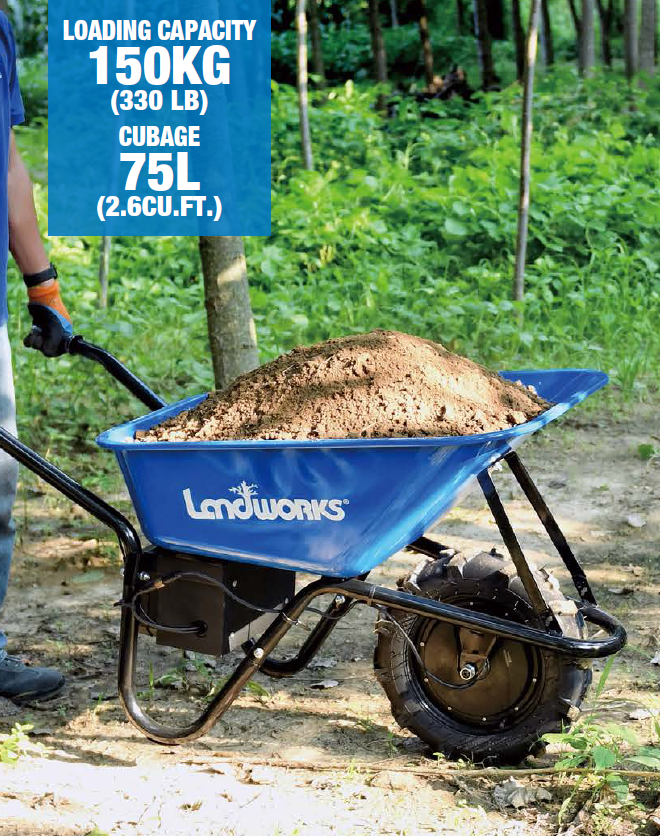
Electric wagons typically provide lower operating costs than gasoline-powered utility vehicles because they eliminate fuel expenses and require less routine maintenance. Over several years, these savings compound significantly, especially for fleets operating daily in landscaping or municipal work.
How Much Can Landscaping Companies Save?
Landscape contractors, grounds maintenance companies, and municipal service providers stand to gain the most from adopting commercial electric wagon technology. Reduced fuel expenses alone can be substantial, but savings extend to lower maintenance, decreased downtime, and higher daily productivity as crews spend less time refueling and servicing equipment.
Reduced Fuel Expenses • Lower Maintenance Costs • Reduced Downtime • Increased Productivity
| Fleet Size | Potential Annual Savings |
|---|---|
| 1 Unit | Moderate |
| 5 Units | Significant |
| 10+ Units | High |
Many operations report payback periods of 12-24 months when factoring in all operational advantages.
Energy Efficiency Benefits for Farms and Orchards
In agricultural settings, electric wagons excel at daily material transport tasks such as moving feed, fertilizer, tools, and harvested crops. Their consistent torque delivery and quiet operation make them particularly well-suited for work around livestock and sensitive crop areas. Lower energy costs contribute directly to improved margins, while the reduced maintenance schedule keeps equipment available during critical seasons.
Factors That Increase Operating Costs
Awareness of variables that drive up electric wagon electricity cost helps users maintain optimal efficiency.
Heavy Loads • Steep Slopes • Poor Battery Maintenance • Extreme Temperatures
Factors Affecting Operating Costs:
Payload → Terrain → Battery Health → Driving Habits → Operating Cost
Proactive management of these elements keeps daily expenses predictably low.
Tips to Maximize Electric Wagon Efficiency
Simple operational habits can meaningfully improve range and reduce electric power wagon operating cost.
Charge Properly • Avoid Overloading • Maintain Tire Pressure • Use Appropriate Speed Settings
Efficiency Checklist:
✓ Charge overnight during off-peak rates
✓ Avoid deep battery discharge
✓ Inspect tires and batteries regularly
✓ Plan routes to minimize unnecessary travel
✓ Match speed settings to terrain and load
Sustainability Benefits Beyond Cost Savings
Electric wagons support broader environmental goals through reduced emissions, lower noise levels, and improved ESG performance. These advantages help businesses meet client expectations and regulatory requirements while enhancing their market reputation.
| Benefit | Impact |
|---|---|
| Lower Emissions | Environmental |
| Lower Noise | Community |
| Reduced Fuel Use | Cost |
| Reduced Maintenance | Productivity |
Building an Efficient Outdoor Maintenance Operation
Transportation is only the beginning of a well-run grounds maintenance program. Professional teams integrate material movement with effective landscape care and debris management for maximum efficiency.
Typical Workflow:
Materials Transport → Landscape Work → Leaf Collection → Debris Removal → Composting / Disposal
Why Debris Collection Equipment Is Essential for Cost-Efficient Grounds Maintenance
Many teams discover that once transportation costs drop, the most significant labor expenses shift to leaf collection, grass cleanup, and storm debris removal. Efficient tools in this area deliver some of the highest returns on investment. For many landscaping and grounds maintenance operations, debris collection remains one of the most labor-intensive tasks. Efficient leaf vacuum systems can significantly improve productivity and reduce labor costs.
Why Outdoor Equipment Buyers Choose Intradin
While electric wagon improves transportation efficiency and reduce operating costs, professional landscaping and grounds maintenance operations also require reliable debris collection equipment. Intradin specializes in manufacturing commercial-grade leaf vacuum systems for landscaping contractors, municipalities, farms, orchards, outdoor equipment retailers, and distributors worldwide.
Walk-Behind Leaf Vacuums
Best for gardens, parks, and residential communities where maneuverability and quiet performance matter most.
Tow-Behind Leaf Vacuums
Ideal for farms, orchards, ranches, and golf courses requiring high-volume collection.
Truck Loader Leaf Vacuums
Built for municipal cleanup and commercial contractors handling large-scale debris projects.
| Product Category | Typical Application |
|---|---|
| Walk-Behind | Gardens & Parks |
| Tow-Behind | Farms & Orchards |
| Truck Loader | Municipal & Commercial Cleanup |
OEM & ODM Manufacturing Services
Intradin supports OEM manufacturing, ODM development, private label programs, custom product modifications, and regional compliance requirements. This helps retailers, importers, distributors, and equipment brands develop differentiated, high-performance solutions.
Looking to Improve Outdoor Maintenance Efficiency and Reduce Operating Costs?
Intradin helps landscaping contractors, municipalities, farms, orchards, distributors, and outdoor equipment brands improve debris management efficiency with professional leaf vacuum solutions.
Walk-Behind Leaf Vacuums
Tow-Behind Leaf Vacuums
Truck Loader Leaf Vacuums
Frequently Asked Questions About Electric Wagon Energy Efficiency
How much does it cost to charge an electric wagon?
Typically between a few cents and a couple of dollars per full charge, depending on battery capacity and local electricity rates.
Are electric wagons cheaper to operate than gas-powered utility vehicles?
Yes, in most scenarios due to dramatically lower energy and maintenance expenses over time.
What affects electric wagon energy efficiency?
Battery technology, motor design, payload weight, terrain, and operator habits all play important roles.
How can I reduce electric wagon operating costs?
Charge during off-peak hours, maintain proper tire pressure, avoid overloading, and follow recommended battery care routines.
How long does an electric wagon battery last?
Lithium-ion batteries often deliver 4-7 years of service with proper care, far outlasting traditional lead-acid options.
What equipment is commonly used alongside electric wagons in landscaping operations?
High-performance leaf vacuums complement them perfectly by streamlining debris collection and completing the maintenance workflow efficiently.