











Why Battery Safety Matters in Landscaping and Outdoor Maintenance
The rapid adoption of electric wagons, utility carts, and battery-powered tools has transformed how landscaping contractors, municipalities, farms, and orchards approach daily operations. These tools reduce labor strain, lower emissions, and cut long-term costs — but they also introduce new responsibilities around battery management. Battery-related incidents, though rare when proper protocols are followed, can lead to equipment downtime, increased insurance premiums, and potential safety hazards for personnel. Prioritizing outdoor equipment battery safety protects workers, preserves fleet reliability, and supports sustainable operations across commercial landscaping and grounds maintenance.
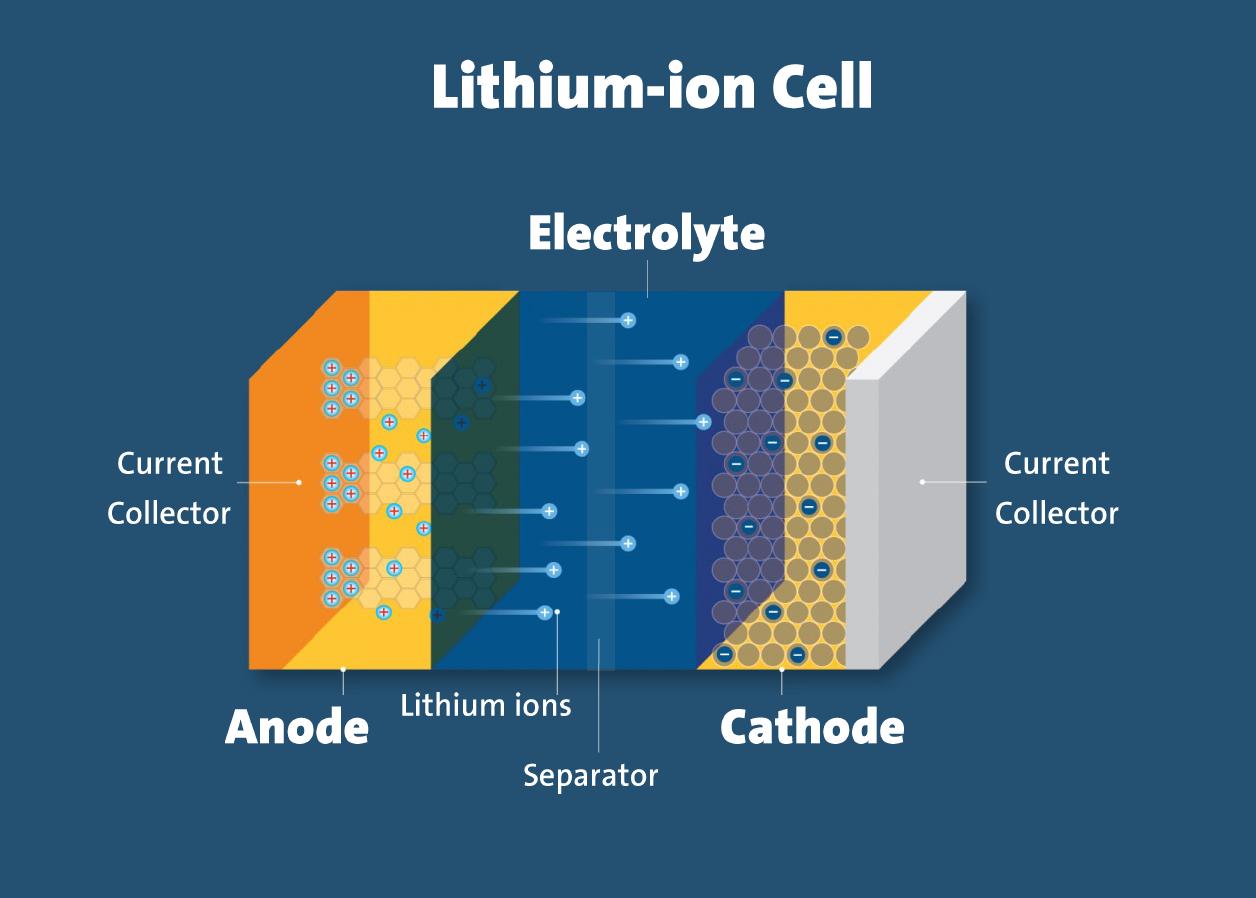
Understanding Battery Overheating and Thermal Runaway
Thermal runaway is a critical concept in battery overheating risks. It occurs when excessive heat inside a battery cell triggers a self-sustaining chemical reaction, causing temperatures to escalate rapidly and potentially leading to fire or smoke. While dramatic in description, modern systems include multiple layers of protection to prevent this chain reaction.
Thermal Runaway Process:
Battery Damage or Stress → Heat Generation → Temperature Rise → Thermal Runaway → Potential Smoke/Fire Risk
Quality manufacturers incorporate robust Battery Management Systems that continuously monitor cell conditions and shut down operations if anomalies are detected, providing critical protection in demanding outdoor environments.
Common Causes of Battery Overheating
Understanding the primary triggers of battery issues allows proactive prevention of battery fire prevention problems.
Overcharging
Leaving equipment connected to chargers far beyond full capacity or using incompatible chargers can generate excess heat. Modern BMS helps mitigate this, but best practices still emphasize timely disconnection.
Physical Damage
Drops, collisions, or crushing during rough terrain work can compromise battery integrity. Regular visual inspections catch early signs of damage before they escalate.
High Ambient Temperatures and Blocked Ventilation
Summer heat combined with direct sunlight or obstructed cooling vents significantly raises risk. Aging batteries also lose efficiency and generate more heat under load.
| Risk Factor | Severity |
|---|---|
| Overcharging | High |
| Physical Damage | High |
| High Temperature | Medium |
| Aging Battery | Medium |
| Poor Ventilation | Medium |
Warning Signs of a Potential Battery Problem
Early detection is key to preventing incidents. Operators should immediately stop using equipment if they notice any of the following:
Battery swelling or deformation
Unusual heat during charging or operation
Burning smell or smoke
Hissing or popping sounds
Cracked housing or visible leakage
| Symptom | Recommended Action |
|---|---|
| Swelling | Stop use immediately and isolate |
| Excessive Heat | Disconnect charger and cool safely |
| Smoke or Smell | Move to safe area and follow emergency protocol |
| Leakage | Avoid contact and seek professional disposal |
How Commercial Landscaping Companies Reduce Battery Fire Risk
Professional teams implement systematic approaches to commercial outdoor equipment safety. Daily pre-operation inspections, dedicated charging stations with proper ventilation, comprehensive employee training, and scheduled battery replacements form the foundation of safe fleet management. These practices not only minimize risks but also extend equipment lifespan and reduce overall operating costs.
Safe Charging Practices for Outdoor Equipment Batteries
Proper charging is one of the most effective ways to support electric wagon battery safety.
Use Manufacturer-Approved Chargers • Avoid Overnight Charging in Unattended Areas • Keep Charging Areas Dry and Ventilated • Monitor Battery Temperature • Disconnect When Fully Charged
Safe Charging Workflow:
Approved Charger → Proper Charging Area → Temperature Monitoring → Regular Inspection → Safe Operation
Battery Storage Best Practices
Seasonal storage requires special attention, especially for winterization or long-term fleet management.
| Storage Condition | Recommendation |
|---|---|
| Temperature | Cool & Dry (50-70°F ideal) |
| Humidity | Low |
| Direct Sunlight | Avoid |
| Battery Charge Level | Moderate (40-60%) |
| Long-Term Storage | Periodic check every 2-3 months |
How Weather Conditions Affect Battery Safety
Outdoor equipment faces unique environmental challenges. Summer heat accelerates degradation and raises overheating risk, while winter cold reduces performance and can cause internal stress. Moisture exposure demands waterproofing and proper drying procedures. Understanding these seasonal factors allows teams to adjust protocols accordingly for consistent utility vehicle battery safety.
Battery Safety Considerations for Landscaping, Farms, and Municipal Operations
Different operations face unique challenges. Landscaping contractors focus on daily charging cycles, orchard operators manage remote locations, farms handle seasonal storage, and municipal teams emphasize large fleet protocols. Tailoring safety programs to specific industry needs ensures both compliance and operational excellence.
| Industry | Key Concern |
|---|---|
| Landscaping | Daily Charging & Heavy Use |
| Orchards | Remote Locations |
| Farms | Seasonal Storage |
| Municipalities | Fleet Management |
Myths About Lithium Battery Fires
Misinformation can lead to unnecessary fear or dangerous complacency. Here are common myths versus reality:
| Myth | Reality |
|---|---|
| All lithium batteries are dangerous | Modern systems have multiple built-in protections |
| Batteries randomly catch fire | Most incidents are preventable with proper care |
| Charging always causes overheating | Approved procedures keep risks minimal |
| Electric equipment is less safe than gas | Properly maintained electric equipment offers excellent safety |
Building a Safe and Efficient Outdoor Maintenance Fleet
Safety integrates with overall operational excellence. A comprehensive program covers equipment selection, battery management, daily operations, debris collection, and preventive maintenance for maximum reliability.
Integrated Fleet Workflow:
Equipment Selection → Battery Safety Management → Daily Operation → Debris Collection → Maintenance Program
Why Debris Collection Equipment Reliability Matters
While transportation equipment like landworks utility cart models andelectric wagons handles material movement, debris collection often represents the most labor-intensive and time-consuming part of grounds maintenance. Reliable leaf vacuums and related tools reduce downtime and support safer overall operations. For landscaping contractors and grounds maintenance teams, reliable debris collection equipment is just as important as transportation equipment. Consistent performance reduces downtime, improves productivity, and supports safer operations.
Why Outdoor Equipment Buyers Choose Intradin
While battery safety is an important consideration for modern outdoor equipment fleets, productivity and reliability remain equally critical. Intradin specializes in commercial-grade garden leaf vacuum solutions designed for landscaping contractors, municipalities, farms, orchards, outdoor equipment retailers, and distributors worldwide.
Walk-Behind Leaf Vacuums
Ideal for gardens, parks, and residential communities requiring maneuverable, quiet performance.
Tow-Behind Leaf Vacuums
Perfect for farms, orchards, ranches, and large properties with high-volume needs.
Truck Loader Leaf Vacuums
Built for municipal cleanup and commercial contractors handling large-scale projects.
| Product Category | Application |
|---|---|
| Walk-Behind | Garden & Park Cleanup |
| Tow-Behind | Farms & Orchards |
| Truck Loader | Municipal & Commercial Cleanup |
OEM & ODM Manufacturing Services
Intradin supports OEM manufacturing, ODM product development, private label programs, custom engineering, and market-specific adjustments to help partners build differentiated, reliable product lines.
Looking for Reliable Outdoor Maintenance Equipment?
Whether you are a landscaping contractor, municipal supplier, farm operator, retailer, or distributor, Intradin provides professional leaf vacuum solutions engineered for demanding outdoor environments with a strong focus on commercial outdoor equipment safety and performance.
Walk-Behind Leaf Vacuums
Tow-Behind Leaf Vacuums
Truck Loader Leaf Vacuums
Frequently Asked Questions About Battery Safety
Is it normal for a battery to become warm during charging?
Moderate warmth is normal, but excessive heat or hot spots require immediate attention and disconnection.
What causes battery overheating?
Common causes include overcharging, physical damage, high ambient temperatures, blocked ventilation, and using incompatible chargers.
What are the warning signs of thermal runaway?
Swelling, unusual heat, burning smells, smoke, hissing sounds, or visible damage indicate potential issues requiring immediate action.
How can landscaping companies reduce battery fire risk?
Implement daily inspections, use approved chargers, maintain dedicated charging areas, provide staff training, and follow manufacturer guidelines.
Can batteries be safely stored during winter?
Yes, when kept in cool, dry conditions at moderate charge levels with periodic maintenance checks.
What should I do if a battery becomes swollen or damaged?
Stop use immediately, isolate the battery in a safe outdoor area, and contact a professional for proper disposal or replacement.
Are modern outdoor equipment batteries safe?
Yes, when properly maintained and used according to guidelines, they offer excellent safety records thanks to advanced BMS protection. management.