







Leaf Vacuum Impeller Durability and Blade Wear
2026/06/03

In the high-stakes world of commercial landscaping and municipal outdoor maintenance, equipment reliability is not just a luxury—it is the foundation of profitability. Leaf vacuum impeller durability directly determines suction efficiency, machine uptime, and the total lifecycle cost of your fleet. When an impeller blade wears down or shatters, the entire operation grinds to a halt.This comprehensive engineering guide explores the mechanics of blade wear, which is heavily influenced by debris type, airflow design, material selection, and operational load cycles. Whether you are a procurement manager evaluating truck loaders for a city contract, or a distributor looking to partner with a reliable OEM manufacturer, understanding impeller dynamics will ensure you select equipment that performs relentlessly under pressure.


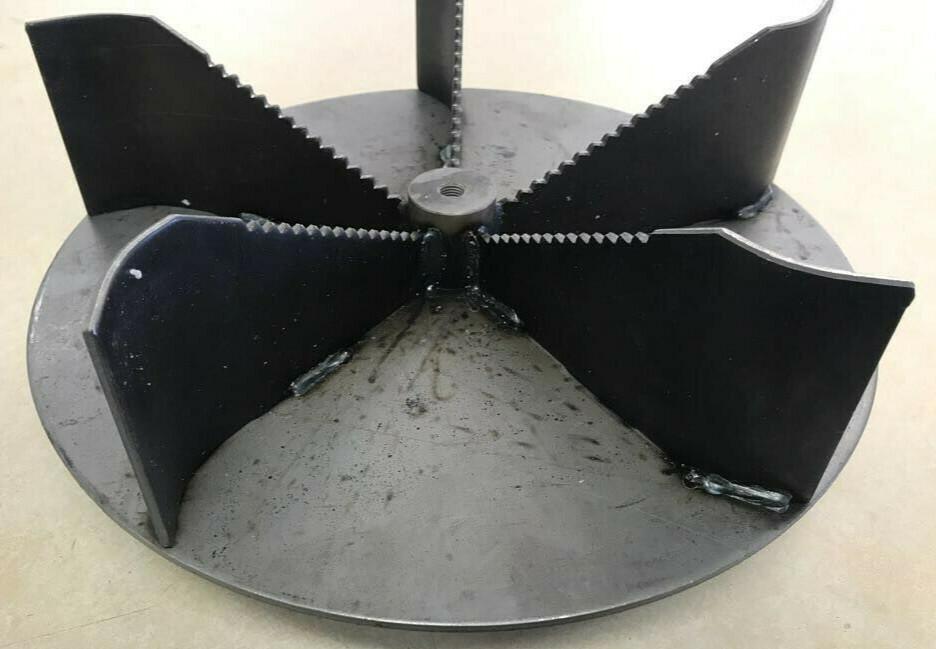
DR LL2 Lawn Leaf Vacuum Catcher Bagger Impeller Fan Turbine A0000094787 342361 | eBay


Why Impeller Durability Is the Core of Leaf Vacuum Performance

Many buyers obsess over engine horsepower or bag capacity, but engineering reality dictates that the impeller is the most critical component of the entire machine.

Impeller = The "Heart" of a Leaf Vacuum System

The impeller is a rapidly spinning fan (often operating at several thousand RPMs) mounted directly to the engine shaft. It has three primary responsibilities:

  1. Creating Airflow Suction Force: The blades displace air radially, creating the vacuum vortex required to lift heavy, wet leaves from the turf.
  2. Shredding Debris into Smaller Particles: Commercial impellers feature serrated or reinforced edges that act as a high-speed blender, mulching organic debris to maximize container capacity.
  3. Maintaining Continuous Material Throughput: It must smoothly push the mulched debris out through the exhaust chute and into the collection hopper without stalling.

Why Durability Matters in B2B Operations

In the residential sphere, a broken plastic impeller is an inconvenience. For commercial contractors and municipalities, the stakes are completely different:

  • Downtime = Direct Revenue Loss: A crew of three men standing around waiting for an equipment repair is hemorrhaging payroll.
  • Blade Failure = Full System Shutdown: If a blade snaps, the machine cannot operate.
  • Wear Imbalance = Vibration + Engine Stress: Even a slightly worn or chipped blade causes severe rotational imbalance. At 3,600 RPM, this vibration destroys engine bearings, cracks the steel housing, and drastically shortens the machine's lifespan.

Unlike household vacuums that only process dust, leaf vacuums operate in a brutal environment. They constantly ingest unseen rocks, wet matted leaves, heavy twigs, pinecones, and abrasive urban debris (glass, gravel, and litter).

What Causes Leaf Vacuum Impeller Blade Wear

Impeller degradation is not random; it is the result of continuous physical and mechanical stress. Understanding these causes helps fleet managers adjust their operational practices.

1. Abrasive Debris Impact 

Impellers do not just cut air; they cut physical matter. When the vacuum pulls up sand, gravel, and soil particles, these materials act like high-velocity sandpaper against the steel blades. Furthermore, dry, hard oak leaves and acorns increase friction wear over time. In municipal settings, the ingestion of urban waste (like metal bottle caps and hard plastics) adds unpredictable impact forces that can dent or chip standard metals.

2. Wet Leaf Operation Stress

Autumn rain changes the physics of debris collection. Wet leaves create:

  • Higher Load Resistance: Waterlogged leaves are incredibly heavy and dense.
  • Slower Airflow Velocity: The density of wet debris slows down the material throughput inside the housing.
  • Increased Torque Demand: The engine and the impeller blades must exert significantly more force (torque) to tear through wet, sticky clumps, causing metal fatigue over thousands of cycles.

3. Imbalanced Airflow and Clogging Cycles

When an operator forces the nozzle into a pile of wet leaves too aggressively, the intake hose clogs.
When airflow is restricted, the impeller operates under a "stall load." It continues to spin in a vacuum void, causing extreme heat accumulation inside the housing. This thermal stress increases metal fatigue, accelerating the deformation of the blade's cutting edges.

4. Poor Material Selection 

Manufacturers cutting corners on material costs produce machines that fail quickly. Impellers made from plastic or low-gauge sheet metal suffer from common failure modes:

  • Edge Chipping: Caused by rock impacts.
  • Blade Bending: Once a blade bends, the machine is permanently unbalanced.
  • Structural Fatigue Cracking: Hairline fractures develop at the base where the blade meets the hub, eventually leading to catastrophic shattering.

Impeller Design Types and Their Impact on Durability

Not all impellers are engineered equally. B2B procurement requires matching the impeller structure to the intensity of the job.

Impeller TypeDurabilityMaintenance CostTypical B2B Use Case
Plastic / CompositeLowLow initial, but high replacement rateResidential light duty (Not for commercial use)
Sheet Metal SteelMediumMediumSmall independent contractors (Dry conditions)
Heavy-Duty Welded SteelHighLow long-termCommercial landscaping, large estates, farms and lawn sweeper wholesale distribution channels
Reinforced Multi-Blade SystemVery HighLowest lifecycle costMunicipal truck loader systems, severe duty

Blade Count and Wear Distribution

The number of blades on an impeller directly affects how mechanical stress is distributed across the engine shaft:

  • 3-Blade Systems: Result in a higher workload per blade, leading to faster edge wear and lower mulching efficiency.
  • 4-Blade Systems: Offer a balanced performance for mid-sized commercial walk-behind units.
  • 5+ Blade Systems: Provide the best load distribution and maximum shredding power, making them the standard for heavy-duty tow-behind and truck loader cycles.

Engineering Factors That Extend Impeller Life

Top-tier manufacturers do not just use thicker steel; they employ comprehensive aerodynamic and mechanical engineering to extend impeller life.

1. Airflow Optimization 

In fluid dynamics, the equation Q = Av (Flow rate = Area × Velocity) governs performance. Airflow efficiency determines the suction strength, the speed at which debris is transported past the blades, and the stability of the load on the impeller. If debris moves through the housing quickly, it spends less time grinding against the blades, significantly reducing abrasive wear.

2. Housing Geometry Design

The shape of the steel blower housing is just as important as the fan itself. Well-designed systems ensure a smooth, transitional airflow that reduces turbulence. Lower turbulence means debris impacts the blades at the correct angle for slicing, reducing blunt-force impact and the probability of clogging.

3. Balanced Shaft Integration

Direct shaft-mounted impellers must be perfectly balanced. Advanced engineering focuses on balancing the rotational mass to a fraction of a gram. This reduces vibration, eliminates misalignment wear, and protects the expensive engine bearings from radial stress when the impeller impacts a hard object.

4. Material Hardness Engineering

To survive in commercial environments, advanced systems utilize:

  • Heat-treated carbon steel to resist bending.
  • Wear-resistant powder coatings to prevent rust from wet leaves.
  • Reinforced, serrated blade edges that act as teeth, shredding material rather than just smashing it.

Blade Wear Patterns in Real Field Conditions

Fleet mechanics can often diagnose operational issues simply by looking at the wear patterns on a used impeller.

Typical Wear Patterns Include:

  • Edge Rounding: The sharp serrations wear down, leading to a loss of cutting efficiency and a lower mulching ratio.
  • Micro Cracking: Hairline fractures at the blade root, indicating severe fatigue failure risk (often from constant stalling).
  • Asymmetric Erosion: One side wears faster than the other, usually caused by a slight housing misalignment, which induces severe engine vibration.
  • Impact Dents: Direct damage caused by operators inadvertently vacuuming up large rocks or solid urban debris.

Operational Warning Signs:

Don't wait for a catastrophic failure. Pull the machine from the field if operators report:

  • Noticeably reduced suction power.
  • Increased engine load noise or RPM drops under normal use.
  • Abnormal, bone-rattling vibration traveling up the handles or tow bar.
  • The housing overheating excessively during continuous use.

How Professional Operators Extend Impeller Lifespan

Fleet managers can double the lifespan of their equipment by enforcing strict operational protocols.

Best Operating Practices

  • Avoid High-Speed Impacts: Do not ram the intake nozzle directly into dense, solid piles of unknown debris. Hover slightly to let the airflow do the lifting.
  • Maintain Steady Airflow: Keep the engine at a consistent, high RPM to maintain airflow velocity; fluctuating the throttle causes irregular load stress.
  • Clean the Housing Regularly: At the end of a wet day, flush the housing with water while running to prevent acidic leaf sludge from hardening and rusting the steel.
  • Inspect Blade Balance: Check the impeller for dents or missing chunks at the start of every season.

Recommended B2B Maintenance Schedule

IntervalAction Required
Weekly (Peak Season)Quick visual inspection of the housing for trapped debris/string.
MonthlyDeep check of blade edges for excessive rounding or micro-cracking.
Seasonal (Post-Autumn)Full impeller removal, cleaning, and balance inspection.
AnnualReplacement decision audit (Replace the impeller if vibration is noted).

Market Trend — Why Durability Is Becoming a Procurement Priority

The 2026 commercial equipment market is witnessing a massive shift in how businesses procure machinery.

Shift from "Purchase Cost" to "Lifecycle Cost"

In the past, landscaping companies often bought cheaper machines, accepting that they would replace them every two years. Today, B2B buyers evaluate the Total Cost of Ownership (TCO). They calculate the downtime cost of a broken impeller, the frequency of blade replacement cycles, and the labor inefficiency caused by machines that clog or vibrate excessively.

Municipal Demand Trend

City governments are facing tightened budgets. Municipalities now increasingly require high durability certifications in their public tender documents. They demand low-maintenance systems with long service intervals that can survive the abuse of daily street cleaning.

Rental Market Influence

Equipment rental operators (who lease machines to contractors) prioritize one thing: survival. Rental fleets demand impact-resistant impellers, modular replacement parts, and ultra-fast serviceability so machines can be turned around for the next customer in minutes, not days.


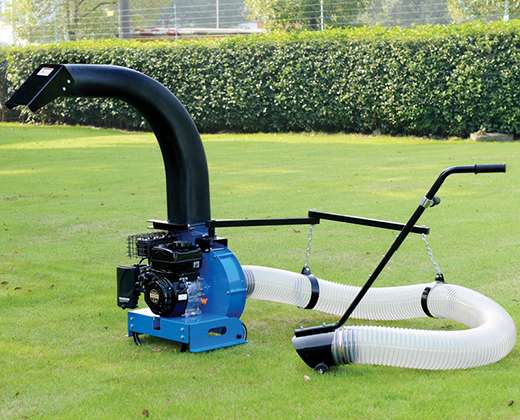
lbv204 truck loader leaf vacuum


How Intradin Designs High-Durability Impeller Systems for B2B Use

When your business reputation relies on continuous uptime, you need a manufacturer that engineers for the worst-case scenario.Intradin is a leading global manufacturer of professional outdoor power equipment, specifically engineered for commercial and industrial debris management.

Engineering Philosophy: Durability Under Real Debris Conditions

At Intradin, we do not test our machines in clean laboratories. We design our impeller systems for wet leaf resistance, brutal mixed-debris environments (gravel, trash, thick branches), and continuous 10-hour seasonal workloads. Our impellers are crafted from heavy-gauge, heat-treated steel, perfectly balanced to protect engine shafts.

Comprehensive Product System Coverage

  1. Walk-Behind Systems: Designed specifically for landscaping teams. They offer perfectly balanced 4-blade performance and maneuverability, ensuring fast, vibration-free seasonal urban cleanup.
  2. Tow-Behind Systems: Built for high-volume debris processing. Utilizing 5-blade serrated impellers, these units drastically reduce labor dependency, making them ideal for massive farms, golf courses, and large estates.
  3. Truck Loader Systems: The apex of municipal-scale operation. Featuring hyper-durable, armor-plated impeller designs, these industrial systems handle continuous-duty workflows, shredding tons of roadside debris without hesitation.

World-Class OEM / ODM Customization Capability

For global distributors and equipment brands, and companies operating as a plate compactor supplierIntradin offers deep engineering partnerships. We support:

  • Blade Geometry Customization: Adjusting pitch and blade count for specific regional debris types.
  • Wear-Resistant Material Upgrades: Offering specialized coatings for extreme abrasive environments.
  • Airflow System Tuning: Optimizing the housing and chute for maximum CFM.
  • Private-Label Manufacturing: Delivering our rugged durability under your trusted brand name.

Application-Driven Engineering Scenarios

Intradin equipment is field-proven across the globe for:

  • Intense autumn leaf removal in urban streets, parks, and corporate campuses.
  • Brutal post-storm branch and soaked-debris cleanup.
  • Agricultural orchard residue collection.
  • Public event and stadium cleanup (easily processing cups, cans, and mixed waste).

Maximize Your Fleet's Uptime with Intradin

Looking to drastically reduce impeller wear costs and increase your seasonal uptime?Stop losing money to broken blades, severe vibrations, and constant clogs. Intradin provides engineered leaf vacuum systems designed for ultimate durability, uncompromising efficiency, and total OEM flexibility.
Reduce seasonal maintenance and labor costs
Improve your entire fleet's uptime performance
Customize heavy-duty equipment for your specific market needs


Frequently Asked Questions 

Q: Can a rock shatter a commercial steel impeller?

A: While direct ingestion of massive rocks should be avoided, high-quality commercial impellers (like those used in Intradin systems) are made from heavy-gauge steel designed to deflect and absorb impact. A small rock will simply pass through with a loud noise, whereas it would instantly shatter a residential plastic impeller.

Q: Why does my leaf vacuum vibrate violently when I turn it on?
A: Severe vibration is almost always caused by an unbalanced impeller. This happens when a blade is chipped, bent from an impact, or when hardened, dried mud/leaf sludge builds up unevenly on one side of the blades. You should stop the machine immediately and inspect the impeller to prevent engine damage.

Q: Are more impeller blades always better?
A: Not necessarily; it depends on the engine power and housing size. For heavy-duty tow-behind and truck loader systems, a 5-blade serrated design provides superior mulching and smoother load distribution. For smaller walk-behind units, a 4-blade system provides the optimal balance of suction velocity and cutting power.


Contact Us