Can a Leaf Vacuum Pick Up Wet Leaves? A Professional Guide for Landscaping and Commercial Cleanup
For landscaping professionals, municipal maintenance teams, and commercial estate managers, autumn leaf cleanup is a predictable challenge. But the moment an overnight rainstorm hits, that routine task transforms into a logistical nightmare. The question that procurement managers and ground crews constantly ask is: Can a leaf vacuum pick up wet leaves efficiently?A job that looks manageable on a crisp, dry morning can suddenly require double the labor hours when the foliage becomes soaked. If you are operating at a commercial scale, you cannot afford to wait days for the sun to dry out acres of land. You need equipment that performs in the damp, the wet, and the heavy conditions of late fall. This comprehensive guide breaks down the engineering behind wet leaf collection, what types of systems actually work, and how to choose the right commercial leaf vacuum for your fleet.
Short Answer — Yes, But It Depends on the Type of Leaf Vacuum
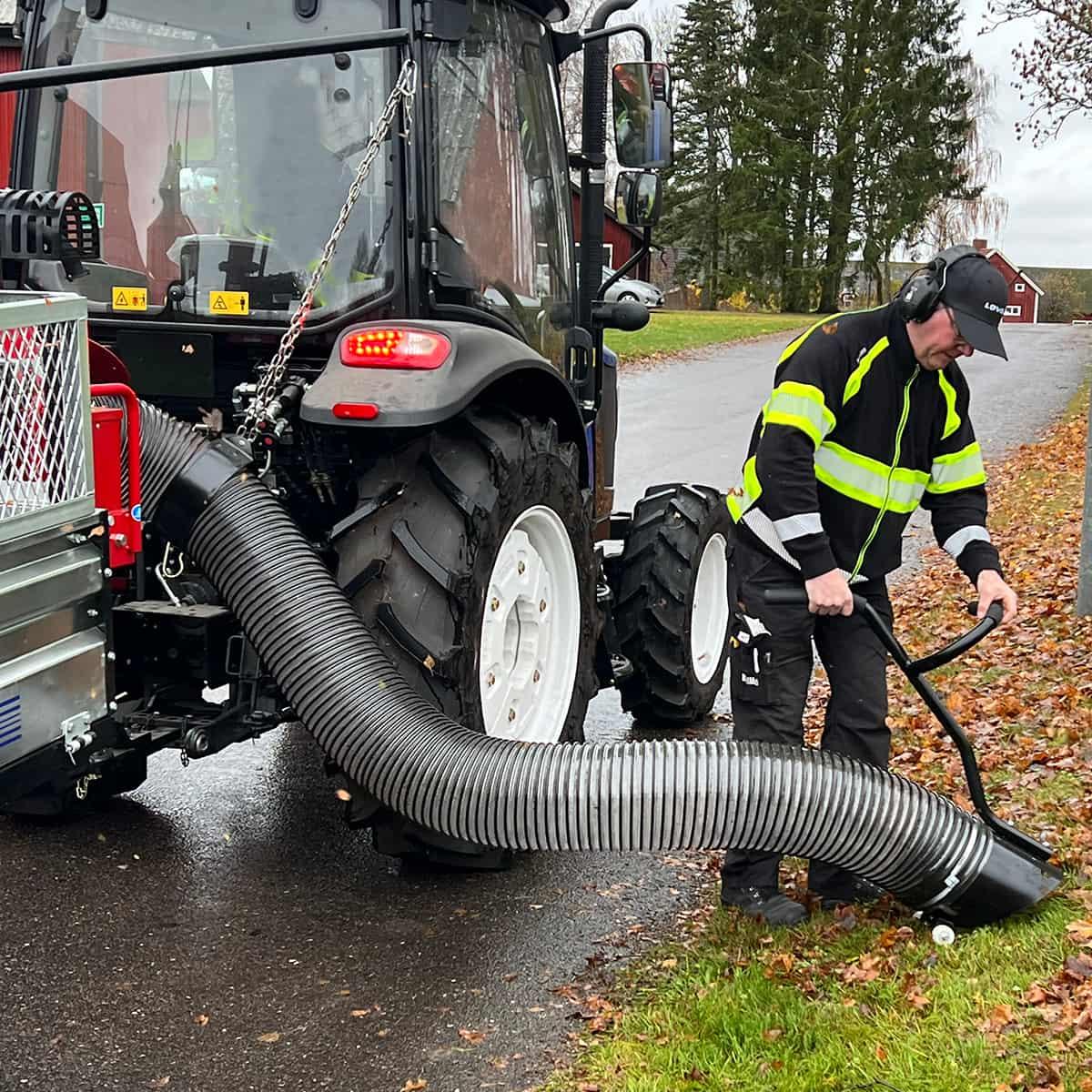
Yes, a leaf vacuum can absolutely pick up wet leaves. However, the efficiency of the cleanup depends entirely on the mechanical capabilities of the machine you are using.For a leaf vacuum to successfully collect wet, matted foliage without constantly clogging, it requires a specific combination of engineering features: massive suction power (CFM) to break the surface tension, a reinforced steel impeller to shred heavy matter, and a wide hose diameter to prevent blockages.While consumer-grade residential vacuums will almost instantly clog or lose suction when introduced to wet leaves, commercial-grade systems—such as heavy-duty walk-behind units, tow-behind systems, and truck loaders—are specifically engineered to handle high-moisture organic debris seamlessly.
Why Wet Leaves Are Difficult to Collect
To understand what makes a good wet-leaf vacuum, we must first understand the physics of wet debris. Wet leaves are where traditional cleanup methods—like manual raking or basic leaf blowing—start to break down. Here is exactly why wet conditions slow your crews down:
1. Moisture Increases Weight and Adhesion
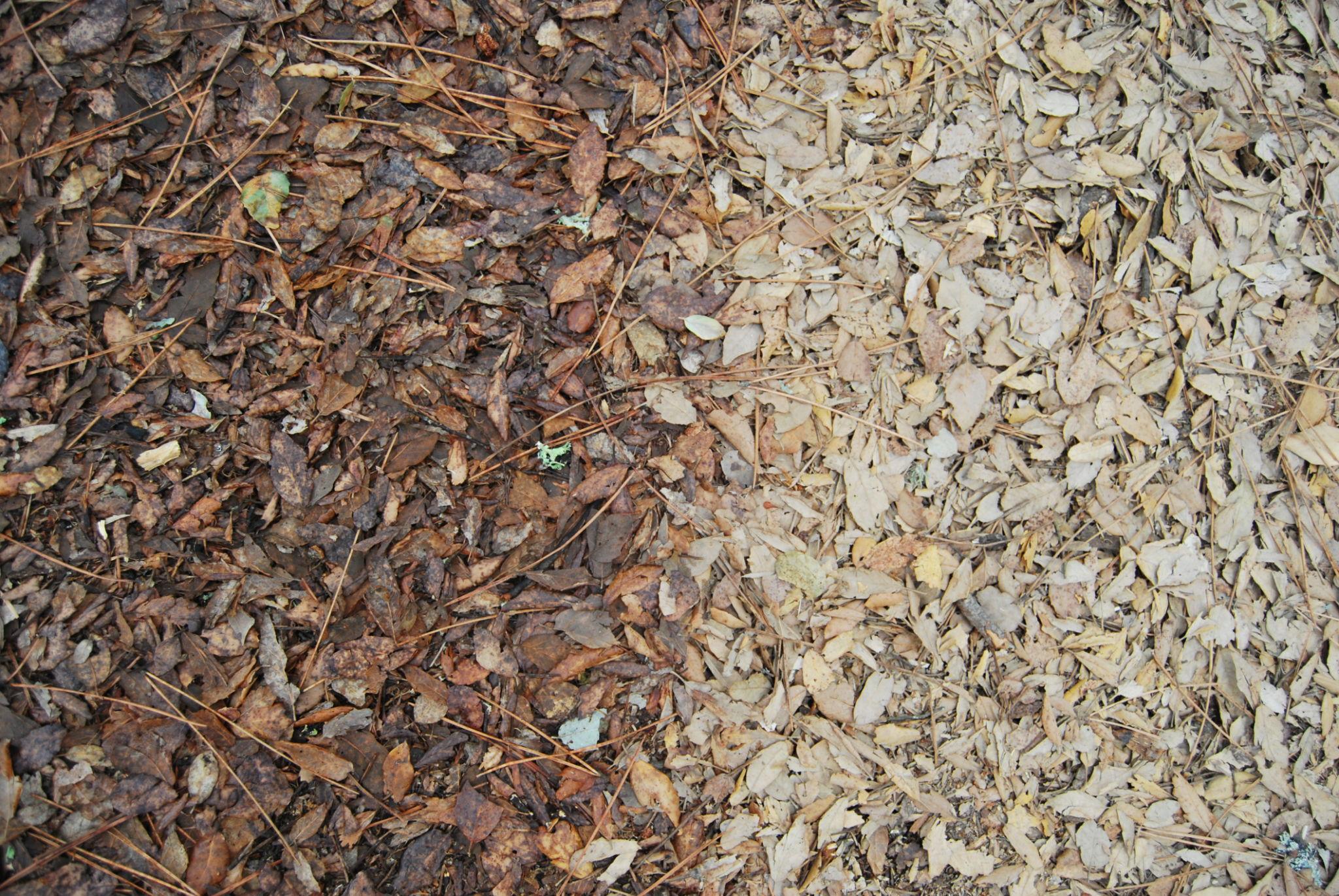
Water adds massive physical weight to organic material. But more importantly, water creates surface tension. When leaves are soaked, they literally stick to asphalt, concrete, and grass like wet paper. A standard blower loses its effectiveness because the aerodynamic profile of the leaf has changed; instead of catching the wind, the leaf clings to the ground. To break this adhesion, a vacuum requires extreme, concentrated upward suction force.
2. Reduced Airflow Efficiency and Clogging Risk
Dry leaves tumble and flow through a vacuum hose smoothly, mixing with the air. Wet leaves, on the other hand, clump together. When a clump of wet foliage travels up a narrow intake hose, it creates severe friction against the walls of the chute. If the machine lacks the necessary suction velocity, these heavy clumps stall in the tube, causing a "clog of death" that completely drops the suction to zero.
3. Increased Volume Density and Reduced Compression
Wet material does not compress in the same way dry material does. When wet leaves enter a collection bag or a hopper, they form a dense, sludge-like heavy mat. This means collection containers fill up much faster, and the sheer weight of the bag can cause immense fatigue for operators using walk-behind or handheld systems.
| Dry Leaves | Low | Extremely High; material flows and mulches easily. |
| Damp Leaves | Medium | Moderate; manageable by most commercial equipment. |
| Wet Leaves | High | Heavily depends on machine grade (requires high CFM). |
| Soaked / Flooded | Very High | Severely limited; requires industrial debris loaders. |
Can All Leaf Vacuums Handle Wet Leaves?
The short answer is no. This is where the distinction between B2B commercial equipment and consumer retail tools becomes glaringly obvious.
Residential Leaf Vacuums
Homeowner-grade machines (often handheld or basic electric models) are built for light, dry foliage. They typically feature narrow tubes and plastic impellers. When introduced to wet leaves, the plastic impellers struggle to chop the heavy material, and the narrow tubes instantly choke. They are suitable only for slightly damp leaves at best.
Commercial Leaf Vacuum Systems
Professional walk-behind and tow-behind systems are engineered for the reality of outdoor maintenance. They boast high CFM (typically ranging from 350 to over 800 CFM), utilize armor-plated steel impellers, and feature much larger intake nozzles. These machines can aggressive tear through wet clumps, ensuring your crews aren't stopping every five minutes to clear a jammed hose.
Industrial / Truck Loader Systems
For municipalities and major contractors, truck loader vacuums are the ultimate solution. These heavy-duty beasts are designed for continuous wet debris intake. With massive engine displacement and hoses often exceeding 8 to 10 inches in diameter, they pull wet leaves, storm debris, branches, and street litter directly into a truck bed without hesitation.
| Handheld / Shop Vac | Low | Very small residential patios (not for commercial use). |
| Walk-behind Vacuum | Medium-High | Landscaping crews, corporate parks, intricate hardscapes. |
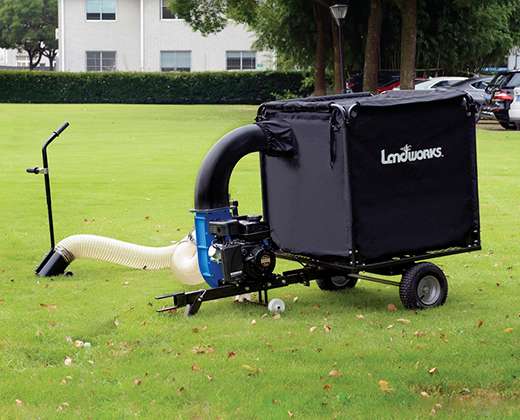
| Tow-behind System | High | Large estates, university campuses, farms, golf courses. |
| Truck Loader System | Very High | Municipal road cleaning, storm cleanup, huge contractors. |
Key Factors That Determine Wet Leaf Performance
If you are a procurement manager evaluating equipment for wet autumn conditions, pay close attention to these four critical specifications. These are the engineering factors that separate commercial workhorses from expensive paperweights.
1. Suction Power
CFM (Cubic Feet per Minute) is the lifeblood of a leaf vacuum. Higher CFM means a greater volume of air is moving through the system, which is mandatory for carrying heavy, waterlogged material. For reliable wet leaf pickup, your equipment should operate well within the 350–800+ CFM commercial range. Anything lower will result in chronic blockages.
2. Impeller Design
The impeller is the fan that creates the suction and chops the debris. For wet leaves, plastic or thin metal impellers are useless. You need heavy-duty steel, serrated impellers. The serrated edges act like teeth, aggressively shredding the dense, wet clumps before they have a chance to enter the collection container and cause a blockage.
3. Hose and Intake Diameter
It doesn't matter how powerful the engine is if the throat of the machine is too tight. For wet debris, a larger hose diameter (typically 150mm to 200mm+ / 6 to 8 inches+) is crucial. A wide intake allows large, sticky clumps of leaves to pass through freely without causing friction against the hose walls.
4. Mulching Ratio
Because wet leaves are so heavy and dense, reducing their volume is vital for operational efficiency. High-quality commercial vacuums offer a mulching ratio of up to 15:1 or 18:1. By shredding wet leaves into tiny fragments, you maximize the capacity of your bags, hoppers, or trucks, drastically reducing the number of trips required to the dump site.
| CFM (Airflow) | Determines the upward suction force required to lift water-heavy debris. |
| Hose Size | A wider diameter prevents the "clogging" of sticky, matted leaf piles. |
| Serrated Impeller | Chops and processes thick moisture and debris before it jams the system. |
| Mulching Capability | Reduces the immense weight and volume of wet sludge, lowering disposal trips. |
Best Practices for Picking Up Wet Leaves Efficiently
Having the right commercial equipment is only half the battle; how your crew operates the machinery dictates the final efficiency. Eliminate double-handling and optimize your workflow with these professional tips:
- Avoid Forcing Massive Piles: Wet leaves do not flow like dry ones. Instead of blowing massive piles that become too dense to vacuum, collect the material directly from the ground or from loose, smaller lines. Let the vacuum's suction do the work at a steady pace.
- Prioritize Drainage Zones: When dealing with wet conditions, focus your vacuuming efforts on areas where drainage blockage is a real risk—such as pathways near storm drains, curbsides, and low-lying hardscapes.
- Vacuum Directly from the Ground: Stop blowing wet leaves! Raking or blowing wet leaves just creates a heavier, stickier mess. Use a tow-behind or walk-behind unit to vacuum them directly from the turf in one fluid motion.
- End-of-Day Water Flush: Crucial Pro Tip! Damp leaf residue left inside the housing overnight will harden like concrete. At the end of a wet day, keep the engine running at half throttle and use a standard garden hose to spray clean water directly into the intake nozzle for a few seconds. This cleans the impeller and housing effortlessly.
.
Common Mistakes When Using Leaf Vacuums on Wet Leaves
Even veteran crews make operational errors when the weather turns sour. Avoid these costly mistakes:
- Using Residential-Grade Machines for Commercial Jobs: Trying to push a cheap, low-CFM vacuum through a wet commercial property will cost you more in labor downtime (unclogging hoses) than the machine is worth.
- Working Too Fast: Rushing causes the operator to outpace the machine's CFM capacity. Forcing the intake nozzle deep into a wet pile will choke the engine. A steady, deliberate walking pace is actually faster overall.
- Ignoring the Clogging Risk: If the suction pitch changes or the machine sounds like it's struggling, stop immediately. Continuing to run a clogged vacuum stresses the engine and belts.
- Not Cleaning the Impeller Chamber: Failing to wash out the acidic, wet organic sludge from the steel housing leads to severe rust, imbalance, and long-term mechanical degradation.
When You Should NOT Use a Leaf Vacuum for Wet Leaves
Part of being a professional is knowing the limits of your equipment. While high-end commercial vacuums are phenomenal tools, there are specific scenarios where suction is the wrong approach:
- Completely Flooded Surfaces: If the leaves are submerged in standing water or deep puddles, a leaf vacuum will act as a water pump. This can destroy non-specialized engines and completely ruin collection bags.
- Deep Mud and Silt: If the ground under the leaves has turned into soft, deep mud, the vacuum will pull up massive amounts of heavy soil and rocks, which can prematurely dull or shatter the impeller blades.
- The Alternative Approach: In these extreme conditions, your crew should use heavy-duty rakes to drag the soaked mass onto a hardscape, let it drain partially, and then utilize a commercial debris loader system to lift the heavy material directly into a truck.
Professional Decision Guide — Choosing the Right Leaf Vacuum for Wet Conditions
Before outfitting your fleet for the upcoming wet autumn season, use this executive checklist to determine exactly what type of equipment your business requires:
- What is the scale of your work area? (Intricate commercial centers vs. massive open farms)
- How often do you handle heavy, wet leaves? (Occasional morning dew vs. heavy regional rainstorms)
- Do you need continuous, uninterrupted operation? (Bag collection vs. direct-to-truck loading)
- What debris type dominates your contracts? (Just leaves, or a mix of branches, pinecones, and urban litter?)
What transport system is already available to you? (Do you own zero-turn mowers for Tow-behind units, or dump trucks for Debris Loaders, and do you already operate lawn sweeper wholesale equipment within your maintenance fleet?)
Intradin Commercial Leaf Vacuum Solutions for Wet Leaf and Outdoor Debris Management
When the weather turns against you, the reliability of your equipment is the only thing standing between a profitable contract and a logistical loss.Intradin is a globally recognized, professional manufacturer of commercial leaf vacuum systems. We understand that in the B2B world, leaves aren't always dry, and conditions aren't always perfect. That is why our equipment is specifically engineered to handle both dry and heavy wet debris collection with uncompromising efficiency.Optimized for professional landscaping, expansive farms, and rigorous municipal use, our products eliminate the "double handling" of wet leaves.
Our Professional Product Categories
- Walk-behind Leaf Vacuum Systems: Boasting aggressive CFM and heavy-duty impellers, these agile units are perfect for navigating tight commercial hardscapes, quickly shredding damp and wet leaves without bogging down.
- Tow-behind Leaf Collection Systems: Designed for large estates and golf courses. Hook these high-capacity systems to your existing tractors or mowers to seamlessly vacuum and mulch wet fields in record time.
- Truck Loader Vacuum Systems: The ultimate municipal and contractor solution. Built with massive intake hoses and industrial power, these loaders suck up soaked leaves, heavy storm debris, and litter directly into transport vehicles, making them an ideal complement to wood chipper wholesale equipment used for post-storm branch processing.
Engineered for the Toughest Scenarios
Whether it is an autumn wet leaf cleanup in gardens and fields, roadside drainage clearing, storm aftermath cleanup (involving branches and soaked debris), or daily municipal park maintenance, Intradin's core workflow—suction, rapid collection, aggressive shredding, and streamlined dumping—guarantees maximum labor savings.
Trusted OEM & ODM Capabilities
For distributors, retailers, and heavy-duty equipment brands, Intradin offers world-class manufacturing partnerships. We provide:
- Customized airflow and high-CFM design tailored for wet leaf conditions.
- Structural adaptation, including heavy-gauge steel impellers and specialized hose diameters.
- Complete branding and private label production for distributors.
- Dedicated engineering support for large-scale fleet deployments.
Don't let wet leaves slow down your operations.Looking for a commercial leaf vacuum that actually performs in wet conditions?
Upgrade your landscaping and municipal efficiency with Intradin's industrial systems.
Contact Intradin for bespoke OEM/ODM leaf vacuum solutions, and build your own professional leaf collection equipment lineup today!
Frequently Asked Questions
Q: Can I use a regular leaf blower/vacuum combo on wet leaves?
A: Consumer-grade handheld combos are generally too weak for wet leaves. The moisture makes the leaves stick together, causing narrow tubes and plastic impellers to clog almost instantly. For wet conditions, you need a dedicated commercial vacuum with high CFM and a steel impeller.
Q: Does mulching wet leaves damage the vacuum?
A: Not if you are using commercial-grade equipment. Professional vacuums like Walk-behinds and Truck Loaders use heavy-duty, serrated steel impellers specifically designed to slice through heavy, wet organic matter without sustaining damage.
Q: How do I stop my leaf vacuum hose from clogging in the rain?
A: First, ensure you are using a machine with a wide hose diameter (at least 6-8 inches). Second, do not force the nozzle into deep, dense piles of wet leaves. Hover the nozzle slightly above the ground and let the suction pull the leaves up gradually. Finally, flush the hose with clean water at the end of the day to prevent residue buildup.
Q: Are Tow-behind vacuums effective for wet leaves on large lawns?
A: Yes, highly effective. Because they are driven by a mower or tractor, you maintain a consistent, steady speed. Paired with a high-CFM engine mounted on the tow-behind unit, they efficiently lift wet leaves off the turf and deposit massive volumes of shredded material into the towed hopper, drastically reducing manual labor.