











Understanding Noise Levels in Outdoor Equipment
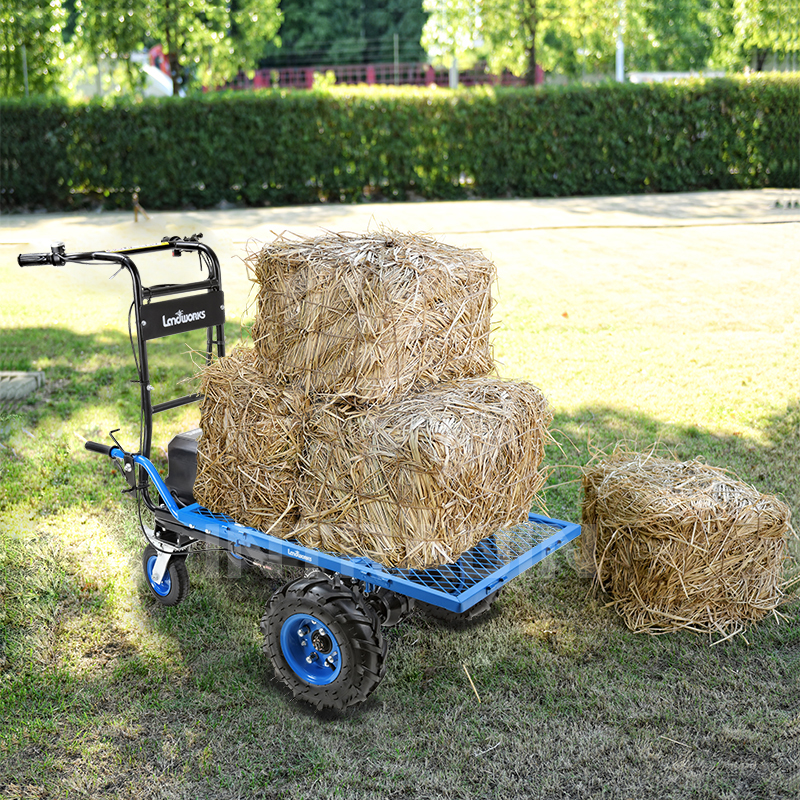
Noise pollution from outdoor equipment is more than just an annoyance — it affects worker productivity, nearby residents, visitors in public spaces, livestock on farms, and overall community relations. Traditional gas-powered tools often create constant engine roar, idling noise, and vibration that can carry across properties and disrupt daily life. In contrast, electric wagons provide a much more harmonious solution. Their brushless motors operate with minimal acoustic disturbance, allowing crews to work efficiently without drawing unwanted attention or causing disturbances in sensitive environments.
Why Noise Matters in Landscaping Operations
Landscaping crews working in residential neighborhoods or near hospitals and schools often face restrictions on operating hours due to noise concerns. Community complaints can delay projects and damage client relationships. Additionally, prolonged exposure to high noise levels contributes to operator fatigue and potential hearing issues over time. Electric equipment helps companies maintain compliance with local ordinances while creating a more pleasant experience for everyone involved.
How Quiet Are Electric Wagons Compared with Gas-Powered Equipment?
When evaluating electric wagon noise level, the difference is striking. Electric models typically operate between 50-70 decibels — comparable to normal conversation or a quiet office environment. Gas-powered utility vehicles, on the other hand, frequently exceed 85-100 decibels, similar to heavy traffic or a lawnmower at full throttle.
| Equipment Type | Typical Noise Level |
|---|---|
| Electric Wagon | Low (50-70 dB) |
| Gas Utility Vehicle | Medium-High (80-95 dB) |
| Small Gas Engine Equipment | High (90-100 dB) |
| Commercial Gas Machinery | Very High (95-110 dB) |
Beyond raw decibel measurements, electric wagons eliminate the harsh vibration and repetitive engine idling sounds that characterize gas models. This smoother, quieter operation reduces operator stress and makes extended work sessions more tolerable. Because electric wagons rely on battery-powered motors rather than internal combustion engines, they generally operate with less noise and vibration, creating a more comfortable working environment for operators and nearby residents.
Environmental Benefits of Electric Wagons
The shift toward eco-friendly landscaping equipment is driven by both regulatory pressure and genuine environmental stewardship. Electric wagons deliver meaningful advantages in this area.
Zero Tailpipe Emissions
Operating without any exhaust means electric wagons produce zero tailpipe emissions during use. This directly reduces carbon output and local air pollution, making them suitable for urban parks, residential communities, and sensitive ecological zones where air quality is a priority.
Reduced Fossil Fuel Consumption
By eliminating the need for gasoline or diesel, these vehicles cut dependence on fossil fuels. Over time, this leads to substantial cost savings on fuel and reduces the overall carbon footprint associated with transportation and maintenance activities.
Improved Energy Efficiency
Electric motors convert energy more efficiently than combustion engines, with less energy lost as heat and noise. When paired with renewable energy sources for charging, the entire operation becomes even more sustainable.
Why Landscaping Companies Are Moving Toward Electric Equipment
The landscaping industry is undergoing a green transformation. Companies are adopting sustainable outdoor maintenance equipment like electric wagons to align with client demands, meet corporate ESG targets, and stay ahead of tightening environmental regulations.
Lower Operating Costs
Electricity is significantly cheaper than fuel, and electric systems require less frequent maintenance with no oil changes, spark plugs, or air filters to replace regularly.
Better Customer Experience
Clients appreciate the quiet operation that allows work during normal daytime hours without disruption. The professional, modern image of electric equipment also enhances perceived service quality.
Enhanced Brand Image
Businesses using green equipment can market themselves as environmentally responsible, attracting eco-conscious residential and commercial clients. Many landscaping companies are adopting electric equipment to reduce environmental impact, lower operating costs, and meet growing customer expectations for sustainable property maintenance services.
Benefits of Electric Wagons for Farms and Orchards
Farms and orchards present unique challenges where quiet, clean equipment provides distinct advantages.
Reduced Disturbance to Livestock
Animals are sensitive to loud noises. Electric wagons allow farmers to move feed, tools, and materials without startling livestock, leading to better animal welfare and potentially improved productivity.
Cleaner Working Environment
Zero emissions mean no exhaust fumes contaminating crops or soil, supporting organic and sustainable farming practices.
Improved Sustainability Programs
Many agricultural operations are implementing carbon reduction initiatives. Electric wagons help meet these goals while maintaining operational efficiency.
| Benefit | Farm | Orchard |
|---|---|---|
| Reduced Noise | ✓ | ✓ |
| Lower Emissions | ✓ | ✓ |
| Improved Worker Comfort | ✓ | ✓ |
Benefits for Municipalities, Parks, and Public Spaces
Public sector operations in parks, campuses, and residential communities benefit enormously from municipal maintenance equipment that operates cleanly and quietly.
Better Visitor Experience
Visitors can enjoy peaceful surroundings without the constant drone of gas engines interrupting their time outdoors.
Reduced Noise Pollution
This contributes to overall quality of life in urban and suburban areas while helping municipalities meet environmental standards.
Support Sustainability Goals
Many cities have aggressive carbon reduction targets. Deploying electric wagons demonstrates tangible progress toward these objectives.
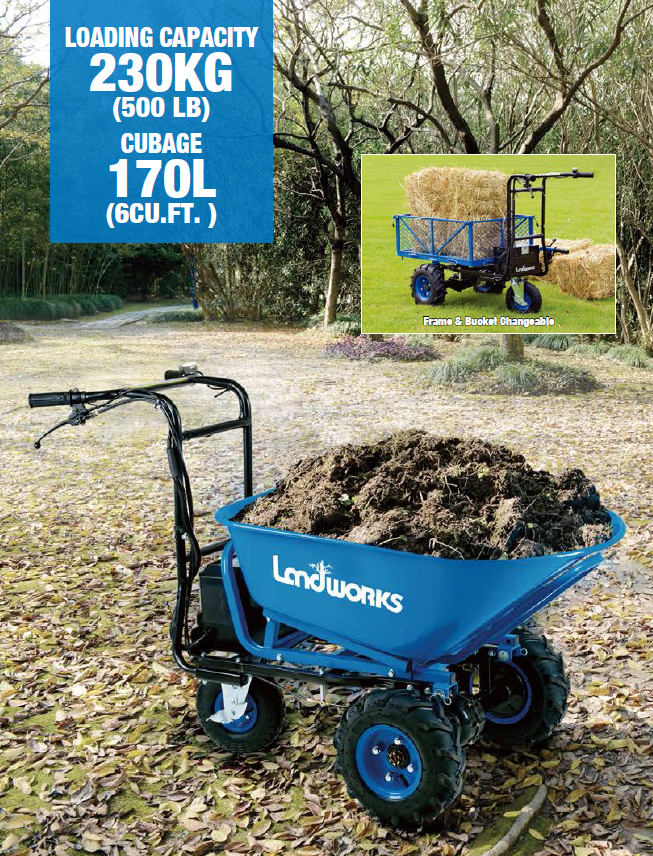
Electric Wagons and Sustainable Grounds Maintenance
Modern grounds maintenance goes beyond simple transportation. It encompasses a holistic approach that balances productivity with environmental responsibility. Electric wagons fit perfectly into this framework by enabling efficient material movement with minimal ecological impact.
Sustainable Maintenance Workflow:
Material Transport → Landscape Care → Debris Collection → Composting / Recycling → Reduced Environmental Impact
Beyond Transportation: Why Debris Collection Equipment Plays a Critical Role
Transportation is only one piece of the puzzle. True sustainability requires efficient handling of organic waste such as leaves, grass clippings, branches, and other debris. Proper collection prevents waste accumulation and supports composting programs that return nutrients to the soil. Efficient debris collection is an essential part of sustainable grounds maintenance. Proper collection and disposal of leaves, grass clippings, and organic debris can improve site appearance, support composting programs, and reduce environmental impact.
Building an Eco-Friendly Outdoor Maintenance System
Forward-thinking teams create integrated systems combining electric powered wagons for transport with specialized leaf vacuums for collection, followed by composting or responsible disposal. This closed-loop approach maximizes sustainability while boosting overall efficiency.
Eco-Friendly Workflow:
Electric Wagon (Transport) → Landscape Work → Leaf Vacuum Collection → Composting → Sustainable Operation
Why Outdoor Equipment Buyers Choose Intradin
As landscaping companies, municipalities, farms, and property managers increasingly prioritize sustainability and operational efficiency, reliable debris collection equipment becomes a critical part of the outdoor maintenance process. Intradin specializes in professional leaf vacuum equipment designed for efficient debris collection across gardens, parks, orchards, farms, municipalities, and commercial landscaping projects.
Walk-Behind Leaf Vacuums
Ideal for gardens, residential communities, parks, and schools where maneuverability and quiet operation are essential.
Tow-Behind Leaf Vacuums
Perfect for farms, orchards, ranches, and golf courses requiring high-volume collection capabilities.
Truck Loader Leaf Vacuums
Built for municipal cleanup and commercial landscaping contractors handling large-scale debris management.
| Product Category | Best For |
|---|---|
| Walk-Behind | Gardens & Parks |
| Tow-Behind | Farms & Orchards |
| Truck Loader | Municipal & Commercial Cleanup |
OEM & ODM Manufacturing Services
Intradin supports OEM manufacturing, ODM development, private label programs, custom product design, and market-specific compliance requirements. This enables retailers, distributors, importers, and outdoor equipment brands to build differentiated, sustainable product lines.
Looking for Sustainable Debris Collection Solutions?
Whether you are a landscaping equipment distributor, outdoor power equipment retailer, municipal supplier, or grounds maintenance contractor, Intradin offers professional leaf vacuum solutions designed to support efficient and environmentally responsible outdoor maintenance.
Walk-Behind Leaf Vacuums
Tow-Behind Leaf Vacuums
Truck Loader Leaf Vacuums
Frequently Asked Questions About Electric Wagon Noise and Sustainability
Are electric wagons quieter than gas-powered utility vehicles?
Yes, they typically operate at much lower decibel levels and without the harsh engine noise, making them far more suitable for noise-sensitive environments.
Do electric wagons produce emissions?
No tailpipe emissions during operation, significantly reducing their environmental impact compared to gas models.
Are electric wagons suitable for residential landscaping?
Absolutely. Their quiet operation and clean performance make them ideal for residential and community settings.
Can electric wagons support sustainability goals?
Yes, they contribute directly to reduced emissions, lower fossil fuel use, and overall greener operations.
What equipment is commonly used alongside electric wagons?
High-efficiency leaf vacuums complement them perfectly by enabling fast, thorough debris collection that supports composting and sustainable waste management practices.